
The first step to installing a CCTV Singapore system is to choose the appropriate location for your installation. You can locate cameras at entrances or high places, where you can maximize their coverage. In addition, choose the right spots for the cables, to reduce the length and improve image quality.
Generally, a complete CCTV installation requires the following items: a DVR, a monitor, and a power supply. While some systems can be set up without these components, others need them for proper function. These systems will require more work and can be expensive to install. If you are unsure, it is best to consult a professional.
Before you begin, it is a good idea to read the instructions for your specific system. Some manufacturers have user manuals available, which are usually included in the product’s packaging. Others come with a CD that contains detailed instructions. If you are unsure about any part of your system, you may need to contact your manufacturer for clarification.
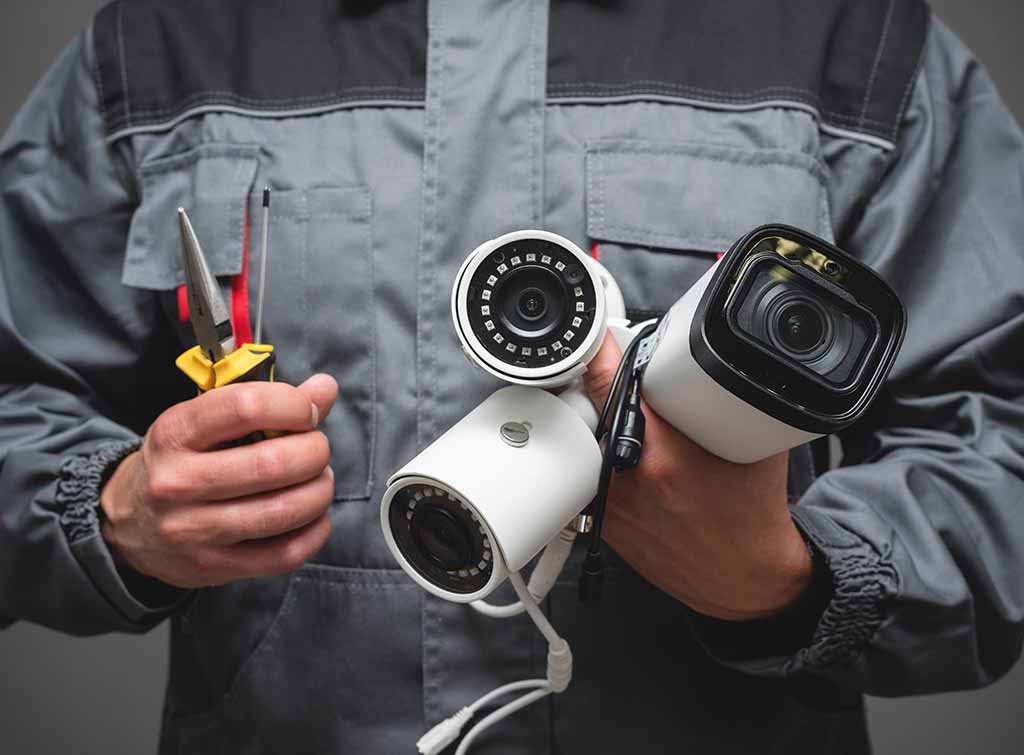
If you have an HDMI or VGA monitor, you will need to connect your monitor to your DVR using a VGA or HDMI cable. If your monitor has buttons for selecting inputs, use them to verify that the right feed is coming from each camera.
In order to run the wires from your DVR to your cameras, you will need to purchase the appropriate connectors. A BNC connector is a great choice for this purpose. It has a small nut on the end that is used to make a connection with your camera. To use a BNC cable, connect the black BNC lead to the video-input port on your DVR.
The next step in your installation will be to secure the wiring in place. Use a fish tape to hold it in place. Ideally, you should locate the power socket close to the camera. If your location doesn’t have any, you can plug the power adapter into a wall socket.
After you have a few cameras installed, you will need to configure your DVR. Some DVRs will require a USB port for this purpose. Once you have completed this, you should see a split screen with images. This is a nifty feature that helps you to avoid having to access the menu to view your cameras.
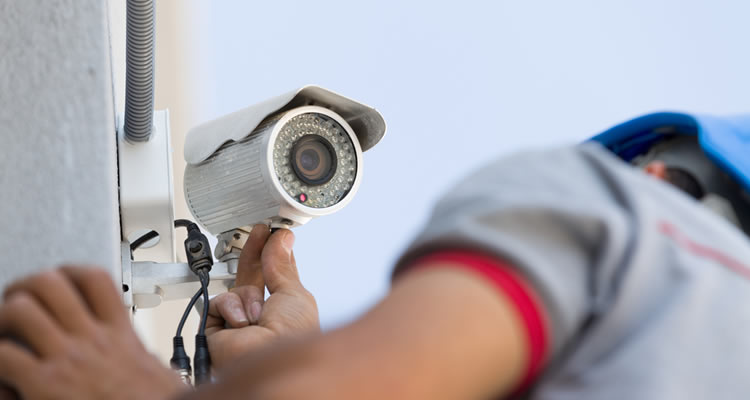
You will also need to plug in your cctv sg cameras. Most cameras include a power adapter, which can be connected to a standard wall socket. Also, you should ensure that the lens on your camera can easily attach to your building.
When you have completed the installation, you should be able to view your CCTV cameras on your monitor. You may need to configure the DVR to show you a full screen of images, or you can simply use the ‘HUD’. Using the HUD is a nifty way to avoid having to access the menu.
There are a variety of different CCTV systems on the market. You can choose from digital video recorders, analog recorders, and network video recording systems.


